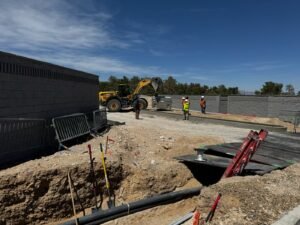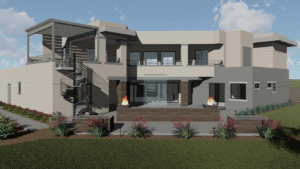
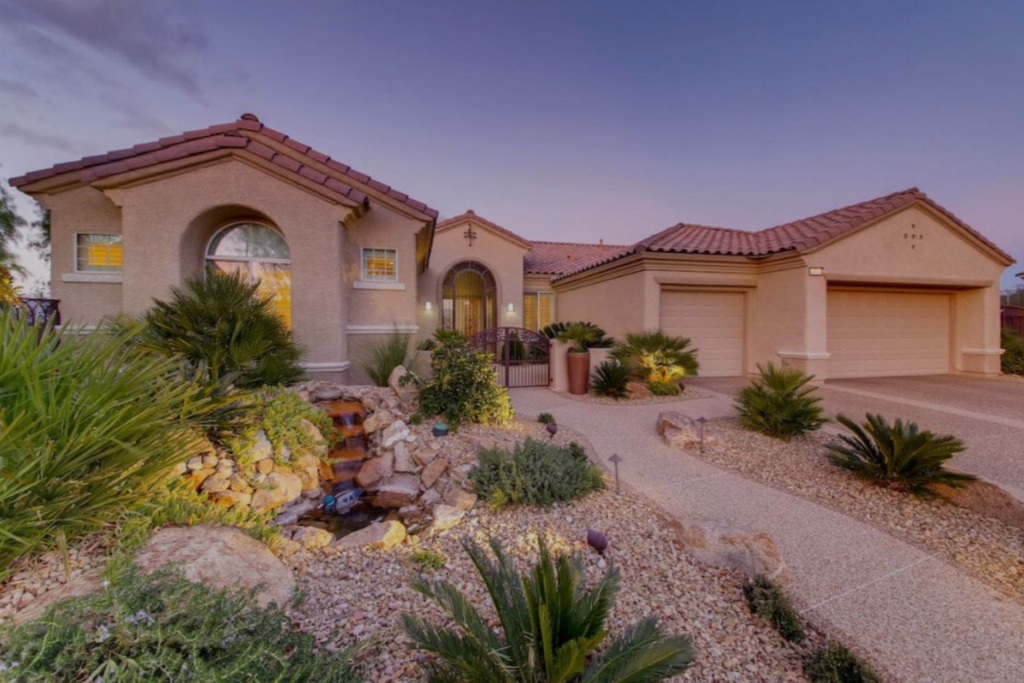
Choosing the right parcel is a big decision. It is the first step in any development project. A good parcel can save time, money, and effort. But how do you pick the right one? This guide will help you understand what to look for.
Why the Right Parcel Matters
The parcel you choose impacts your whole project. It affects the cost, timeline, and final result. A poor choice can lead to problems later. For example, the land may need more work than expected. This can increase costs. Or, the location may not suit your needs. That’s why careful planning is important.
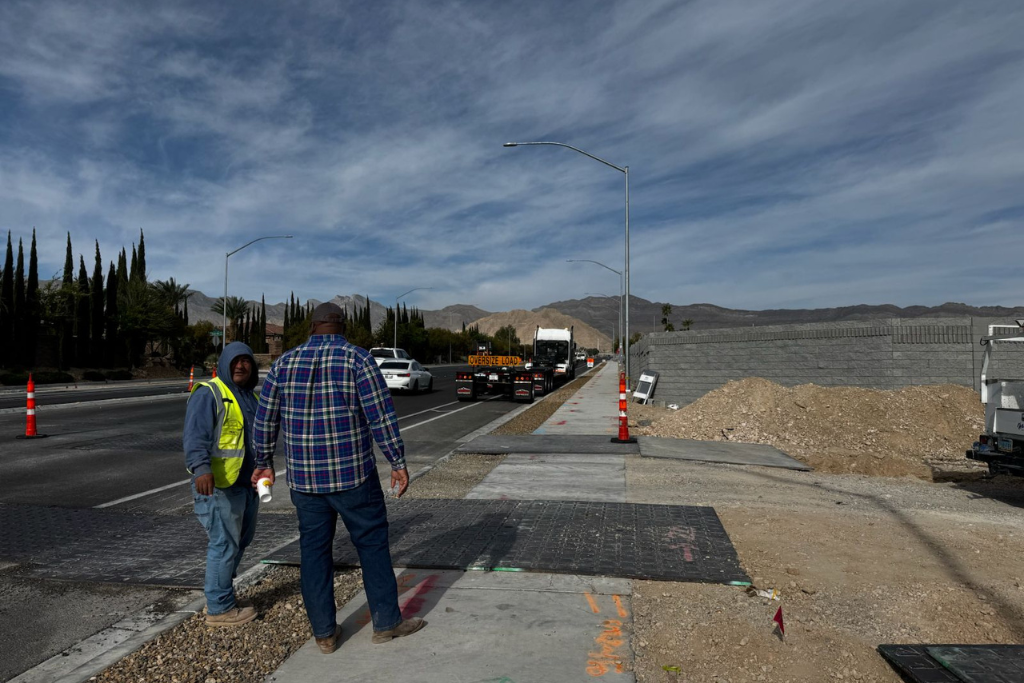
What to Consider When Choosing a Parcel
There are many factors to think about. Below are some of the most important ones:
1. Location
Location is key for any development. Ask yourself these questions:
- Is the parcel near schools, shops, or workplaces?
- Are there good roads and public transport nearby?
- Is the area safe and quiet?
Think about who will use your development. Their needs should guide your choice.
2. Size And Shape
The size of the parcel must fit your project. A small parcel may limit your plans. A very large parcel may cost more than needed. Also, check the shape of the land. Odd shapes can make building harder.
3. Zoning Rules
Zoning rules tell you what you can build. Some parcels are for homes only. Others are for businesses or factories. Check the local zoning rules before you buy. Make sure your plans match the rules.
4. Soil And Land Condition
Soil type affects building costs. Some soils are easy to build on. Others need special work, which can be expensive. Check for issues like rocks, wetlands, or flood zones. A land survey can help you know what you are buying.
5. Utilities And Services
Does the parcel have water, electricity, and internet? These services are important for most projects. If not, you may need to pay to add them. This can be costly and time-consuming.
6. Budget
How much can you spend? Your budget will guide your choice. Remember to include extra costs. For example, permits, surveys, and construction costs. Stick to your budget to avoid problems later.
Steps to Find the Right Parcel
Now that you know what to look for, here are the steps to follow:
Step 1: Define Your Needs
Start by listing your needs. What kind of project are you planning? How much space do you need? What is your budget? Clear answers will help you focus your search.
Step 2: Research The Area
Look for areas that fit your needs. Visit the location if you can. Check online maps and local listings. Learn about the neighborhood. Are there schools, parks, or stores nearby?
Step 3: Compare Options
Make a list of potential parcels. Compare their pros and cons. Consider location, size, zoning, and price. Narrow down your list to a few top choices.
Step 4: Work With Experts
Talk to a real estate agent. They know the market and can help you find good options. You may also need a lawyer to check the property title. A surveyor can check the land condition.
Step 5: Visit The Parcel
Visit the parcel before making a decision. Walk around the land. Look for any problems. Is it easy to access? Is it noisy or quiet? Take your time to inspect it carefully.
Step 6: Check Permits And Rules
Before buying, check all permits and zoning rules. Make sure you can use the land for your project. Ask the local government for details. This step can save you trouble later.
Step 7: Make An Offer
Once you are sure, make an offer. Negotiate the price if possible. Work with your agent to finalize the deal. Ensure all documents are correct before signing.
Common Mistakes to Avoid
Many people make mistakes when choosing a parcel. Here are some to avoid:
- Skipping the land survey. Always check the soil and condition.
- Ignoring zoning rules. Make sure the land fits your plan.
- Buying without visiting. Always see the parcel in person.
- Overlooking extra costs. Include permits and utility costs in your budget.
Frequently Asked Questions
What Factors Should I Consider When Choosing A Parcel For Development?
Look at location, zoning laws, utilities, soil quality, and access to roads. These are critical for planning.
How Do Zoning Laws Affect Parcel Selection?
Zoning laws determine what you can build. Check local rules to ensure your project is allowed.
Is Soil Testing Necessary Before Buying A Parcel?
Yes. Soil tests reveal if the ground is stable and safe for construction. It prevents costly issues later.
Why Is Parcel Location Important For Development?
Location impacts accessibility, value, and future growth. Choose a spot that suits your project’s needs and target audience.
Conclusion
Choosing the right parcel takes time and care. Think about location, size, zoning, and costs. Follow the steps in this guide to make a smart choice. Remember, a good parcel is the foundation of a successful project. Take your time, do your research, and ask for help when needed. Good luck with your next development!