
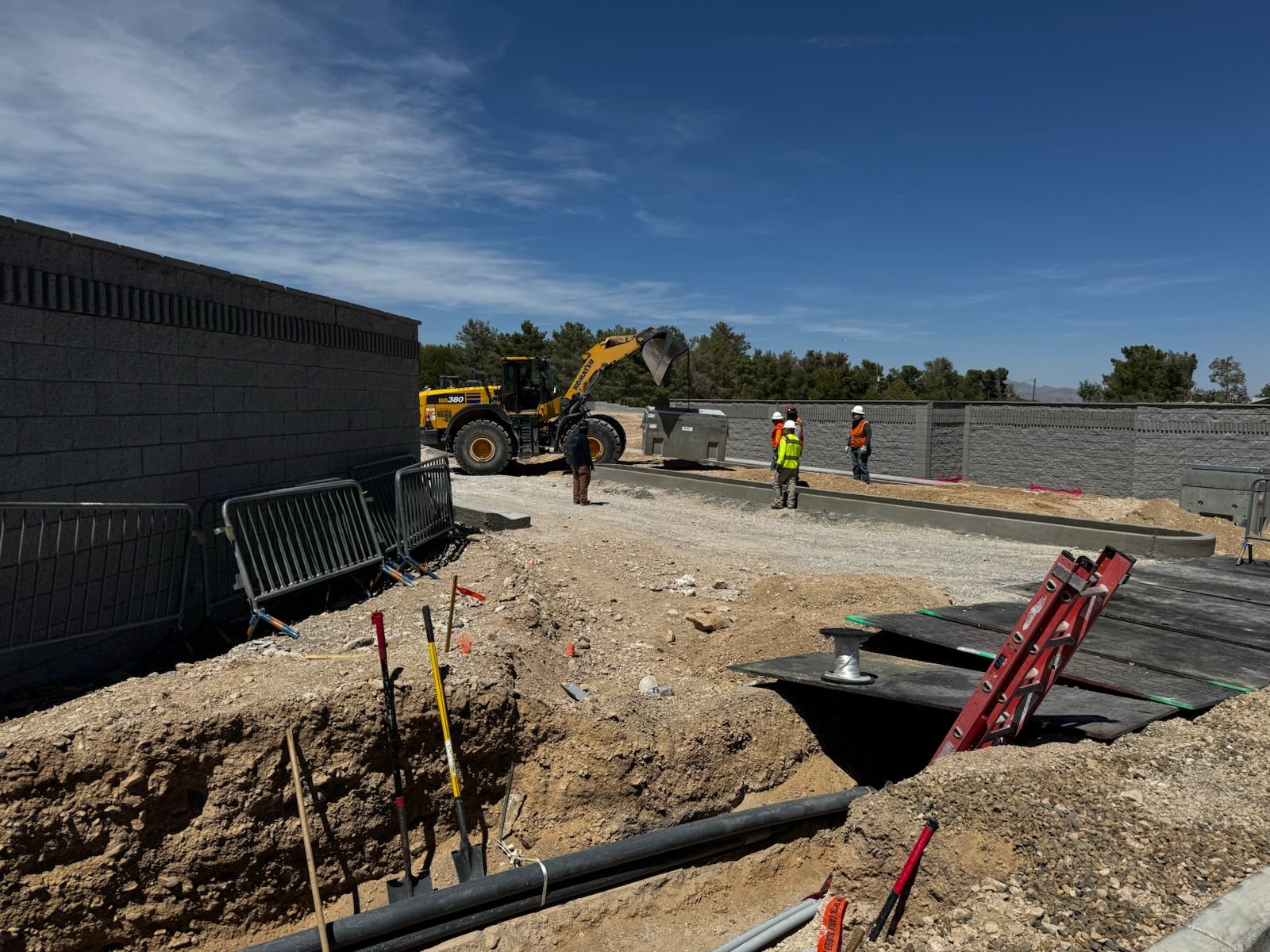
In the fast-paced and capital-intensive world of real estate development, success doesn’t happen by accident — it’s engineered through precise planning, disciplined execution, and expert coordination. That’s where professional project management steps in as the backbone of every profitable and on-time development.
1. Turning Vision into a Viable Plan
Every great development begins as a vision — a high-rise overlooking the skyline, a residential community, or a commercial hub. However, visions without structured planning often stay on paper.
A professional project manager bridges this gap by:
- Conducting feasibility studies to assess market demand and ROI.
- Coordinating with architects, engineers, and investors to create realistic timelines.
- Ensuring compliance with zoning laws and local regulations.
This planning stage directly impacts the financial stability and safety of the project, making it a Your Money or Your Life (YMYL) subject under Google’s high-quality content standards.
2. Risk Mitigation and Budget Control
Real estate development involves multi-million-dollar investments and countless variables. Cost overruns, permitting delays, and contractor disputes can derail a project overnight.
Professional project managers:
- Create detailed budgets with contingency reserves.
- Monitor expenditures in real time to avoid overruns.
- Anticipate risks and develop mitigation strategies before they become costly problems.
This financial oversight ensures that the project remains profitable and protects stakeholders’ investments.
3. Seamless Communication Between Stakeholders
A real estate project can involve dozens of stakeholders — investors, city officials, contractors, suppliers, and future tenants.
Without strong communication channels, critical updates get lost, misunderstandings occur, and timelines slip. Project managers implement:
- Centralized communication platforms.
- Transparent reporting systems.
- Regular stakeholder meetings.
This results in better trust, faster decision-making, and fewer costly mistakes.
4. Maintaining Quality and Compliance
Quality in real estate isn’t just about aesthetics; it’s about safety, functionality, and long-term value.
Professional project managers:
- Enforce strict quality control measures during construction.
- Ensure adherence to building codes, safety standards, and environmental regulations.
- Coordinate third-party inspections to verify compliance.
By upholding Expertise, Authoritativeness, and Trustworthiness (E-A-T), they safeguard both the project’s reputation and its market value.
5. Delivering On Time and On Budget
In real estate, delays can mean missed market windows and lost profits. Project managers use proven methodologies like Critical Path Method (CPM) and Agile Construction Management to:
- Optimize schedules.
- Track dependencies.
- Resolve bottlenecks quickly.
This disciplined approach ensures developers can begin selling, leasing, or operating their properties as planned.
Professional project management isn’t just an operational role — it’s the strategic engine that drives real estate developments from blueprints to profitable reality. By combining technical expertise, financial discipline, and stakeholder coordination, project managers reduce risks, enhance efficiency, and maximize returns.
For developers aiming to succeed in competitive markets, investing in professional project management is not an expense — it’s the smartest investment you’ll make.